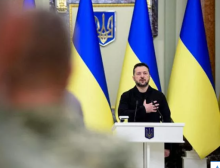
Ruslan Bortnik: «Mosca punta al collasso di Kiev per logoramento»
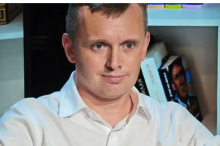
Parla il direttore dell’Ukrainian Institute of Politics: «Mosca punta al dissanguamento finanziario e alla crisi umanitaria del paese. L’Ue è a un bivio: la debolezza ucraina comporta grandi rischi di sicurezza, ma il prolungamento della guerra assorbe risorse necessarie alla difesa dell’Europa stessa. Per questo alcuni governi potrebbero cercare accordi con la Russia»